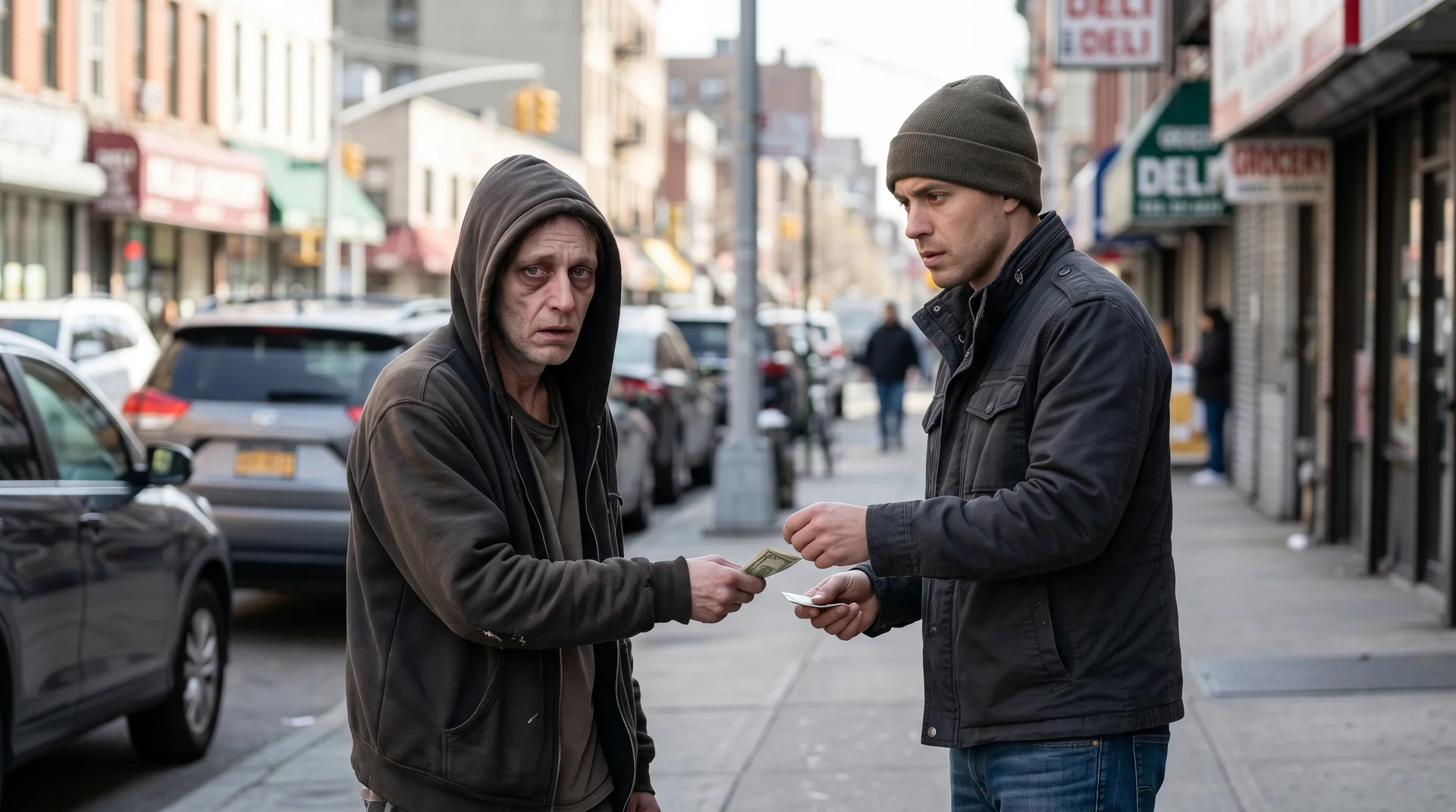
Suing a Drug Dealer in Civil Court After an Overdose Death or Injury
Unfortunately, many New Yorkers die of drug overdoses or suffer permanent injury from illegal drug use. New York law gives their family the right to sue the responsible drug trafficker in civil court, but only once that trafficker has been convicted of a drug trafficking felony. The criminal conviction is the threshold the law requires before a civil lawsuit can proceed, and it is the foundation of the entire civil case. New York General Obligations Law (GOB) §§ 12-101 through 12-110, titled the "Drug Dealer Liability Act," specifies exactly what families, employers, and medical providers can recover from the people who built and profited from the illegal drug markets that affected their loved ones.
The law was designed to solve the problem that defeats most drug injury claims in court: proving that a specific dealer handed over the specific dose that caused the overdose or death is nearly impossible in most cases. Supply chains are layered. Drugs change hands multiple times before reaching a user. Under the Drug Dealer Liability Act, that direct transaction does not need to be proven. If a convicted trafficker dealt the same type of drug in the same community during the period the victim was using then civil liability attaches. The criminal conviction is the foundation and the civil lawsuit builds from there.
In This Article
Who Can Bring This Claim
Families, Employers, and Providers: Who the Law Protects
GOB § 12-104 grants the right to sue to individuals and entities harmed by the drug use itself, not the direct participants in the illegal transaction. The following classes of plaintiffs may recover damages from any person who knowingly participated in the chain of distribution of the illegal drug consumed by the individual drug user:
- Parents or legal guardians of an injured or deceased drug user
- Spouses and children of a drug user
- Employers who absorbed economic losses caused by an employee’s substance dependency
- Medical facilities, insurers, and governmental entities that funded rehabilitation programs, emergency treatment, or employee assistance programs for the drug user
The defendant must be a convicted drug trafficker, meaning someone whose controlled substance conviction reflects participation in an ongoing criminal enterprise, not isolated personal drug use.
The Narrow User Exception
An individual drug user may bring their own claim under GOB § 12-105, but only after satisfying certain conditions. The statute requires cooperation with law enforcement and sustained sobriety for a defined period before the claim may be filed. This exception exists to incentivize recovery and cooperation, not to open the statute to a broad class of user plaintiffs. The overwhelming majority of Article 12 claims are brought by the third-party plaintiffs enumerated in GOB § 12-104.
Connecting the Dealer to Your Community
A family that establishes the drug use occurred within the trafficker’s target community, combined with the same drug type and overlapping time period required under GOB § 12-104(3), has done what the statute requires. That geographic reach scales with the trafficker’s operation: a street-level dealer faces liability in their county, while a high-volume trafficker convicted of a major felony faces exposure across multiple counties or statewide under GOB § 12-106. At that point, the law treats the trafficker as civilly responsible for what happened. It is then the trafficker’s burden to prove otherwise. The family does not have to trace the exact supply chain.
What a Family Can Recover
Economic Damages
A civil claim under the Drug Dealer Liability Act can recover the concrete financial losses an overdose death or drug-related injury leaves behind. That includes funeral and burial costs, emergency room and hospital bills, the cost of rehabilitation programs, the income and earning capacity the victim lost to addiction or death, and the financial burden the family absorbed while supporting or caring for the victim. Under GOB § 12-104(4), each of these is a recoverable economic loss.
Non-Economic Damages
The statute reaches beyond financial ledger entries to compensate for the injuries that cannot be reduced to a receipt. Physical and emotional pain and suffering, disfigurement, loss of companionship, and loss of consortium are all recoverable under GOB § 12-104(4). For a parent who lost a child to addiction, or a spouse who watched a partner’s overdose shatter a family, these categories represent the core of what was stolen from them.
A family suing under GOB § 12-104 is not penalized for the victim’s own drug use.
Attorney Fees and Litigation Costs
GOB § 12-104(4) includes fee-shifting provisions that authorize a successful plaintiff to recover reasonable attorney fees, reasonable expert consultant and witness fees, and all court costs of the litigation. These provisions serve a deliberate policy purpose: they force the convicted trafficker to bear the full financial cost of the litigation brought against them, removing a significant barrier to entry for families who lack the resources to fund protracted civil litigation against a defendant who profited handsomely from illegal enterprise.
The Statutory Deadlines: The Two-Year Clock
The Two-Year Window
GOB § 12-110 imposes a two-year statute of limitations on all claims brought under the Drug Dealer Liability Act. Because a conviction is required before a lawsuit can be filed, a family cannot be timed out while a dealer is still active and uncharged. The clock against any defendant does not start until after that defendant’s conviction. Within the two-year window that follows, the clock runs from the date the family discovers, or reasonably should have discovered, the connection between the harm and that specific convicted trafficker’s drug market. A family that knew about a loved one’s addiction for years but only learned after a conviction that a particular trafficker supplied the market responsible still has two years from the point that connection became known or knowable.
The Criminal Tolling Provision
For defendants, the statute of limitations period does not begin to run until six months after the individual is convicted of a crime involving participation in a drug market. That delay is intentional: the civil case cannot proceed under Article 12 without a prior conviction, and families who begin investigating a civil claim while criminal proceedings are still pending need time to assess what the conviction establishes and how to position the civil case once the statutory gate opens. Missing the two-year window after that six-month post-conviction period begins is permanent. Courts have consistently refused to allow late filings under this statute, regardless of the reason. When the deadline passes, the right to sue passes with it.
Sternberg Injury Law Firm PC
The personal injury attorneys at Sternberg Injury Law Firm can represent families who have lost someone to a drug overdose and individuals who have suffered permanent injury from illegal drug use. When a convicted trafficker supplied the market that destroyed a life, our attorneys pursue every dollar of compensation New York law makes available, including wrongful death damages, medical and funeral expenses, pain and suffering, lost income, and hold the dealer financially accountable for what their illegal operation caused. The Sternberg Injury Law Firm offers free consultations and can be reached by phone, text, or email. Our team speaks multiple languages and may be able to come to your location when needed.
Frequently Asked Questions About the Drug Dealer Liability Act
Yes. The civil lawsuit may be filed and litigated while a criminal appeal is pending. The statute requires a conviction, not a final, unappealable one. The tolling provision under GOB § 12-110, which delays the civil limitations period until six months after conviction, means the civil case is typically positioned to move forward even before any criminal appeal is resolved. An attorney can advise whether to proceed immediately or wait based on the specific facts.
GOB § 12-109 subjects judgments obtained under the Drug Dealer Liability Act to standard CPLR enforcement mechanisms, which include post-judgment discovery into the defendant’s finances, restraining orders on accounts, and liens on property. Fraudulent transfers made to shield assets from a civil judgment are separately challengeable under New York’s Debtor and Creditor Law. A judgment under Article 12 does not expire on the day it is entered, and enforcement efforts can continue as the defendant’s financial picture changes.
Yes. The statute covers injury, not only death. A parent watching a child’s addiction destroy their life, a spouse living through a partner’s ongoing drug dependency, or an employer absorbing the continuing losses caused by an employee’s substance abuse can all bring civil claims under GOB § 12-104 while the drug user is still alive. A drug user who is alive may also eventually bring their own claim under GOB § 12-105, but only after meeting the law enforcement cooperation and sobriety requirements the statute imposes on user claimants.