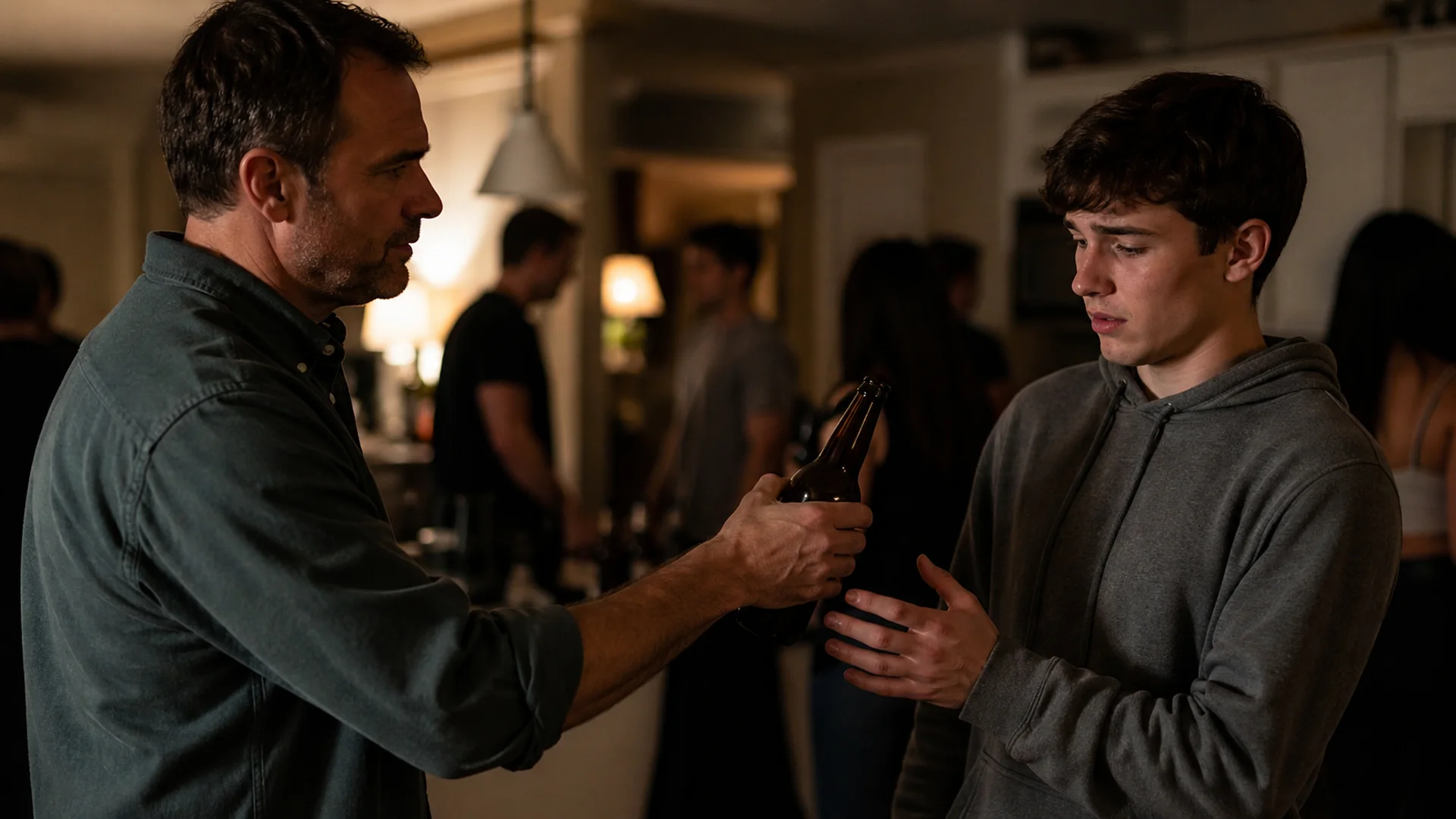
Providing alcohol to someone under 21 is a criminal offense. Besides criminal liability there is also possible civil liability. In New York State, General Obligations Law (GOB) § 11-100 creates a right of claim against anyone who knowingly furnishes alcohol to a person under 21, and then that minor causes an injury due to their intoxication. The statute applies whether the supplier was a licensed establishment or an entirely private individual, and it reaches injuries to person, property, and means of financial support. Four subsections govern how the claim arises, who may assert it, where the claim may be filed, and how it is preserved when death affects either party.
In This Article
What Is NY GOB § 11-100 and Who Does It Protect?
Section 11-100 holds people legally responsible for injuries caused by an intoxicated person under 21 when someone supplied or helped obtain the alcohol knowing, or having reason to know, that the recipient was underage. The law is designed for anyone harmed because a minor was drunk or impaired: a driver struck by a car operated by an intoxicated 19-year-old, a family whose son was killed in a collision caused by an intoxicated 20-year-old, a spouse who lost a partner's financial support, or a parent whose child was injured in an incident involving a drunk minor.
What distinguishes this statute from other alcohol-related liability laws is that it is not limited to bars, restaurants, or any other licensed seller. Liability under GOB § 11-100 extends to any private individual who knowingly furnished or assisted in procuring alcohol for someone under 21. A college roommate who buys a case of beer for a 19-year-old. An older sibling who purchases a bottle for a minor at a liquor store. A parent who stocks the bar and looks the other way at a house party where underage guests are drinking. Each of these falls within the statute's reach. The companion statute, GOB § 11-101 (the Dram Shop Act), applies to commercial vendors serving customers of any age. Section 11-100 addresses the separate problem of alcohol reaching minors through any channel.
The Four Subsections of GOB § 11-100
Section 11-100 is not a single rule. It is four distinct provisions, each addressing a different aspect of the claim: how the right of action is created, how it is preserved when death intervenes, where the lawsuit may be brought, and how competing parental claims are resolved.
GOB § 11-100(1): The Core Right of Action
Any person injured because of the intoxication or impaired ability of someone under 21 may sue whoever unlawfully furnished or helped procure the alcohol, provided the supplier knew or had reasonable cause to believe the recipient was underage. The injury may be to the person, property, means of financial support, or any other legally recognized harm, and the statute applies whether or not the minor's intoxication ultimately resulted in that minor's death.
GOB § 11-100(2): Survival of the Claim
The right of action survives the death of either party. If the injured person dies, their executor or administrator may continue or initiate the lawsuit. If the person who supplied the alcohol dies, the claim runs against that person's estate. Any amount recovered by a surviving spouse or child under this subsection belongs solely to that person, separate from any marital or family property.
GOB § 11-100(3): Where the Lawsuit Can Be Filed
The action may be brought in any New York court with proper jurisdiction. There is no requirement that it be filed in a particular court or county.
GOB § 11-100(4): When Both Parents Have a Claim
Where both parents are entitled to damages under GOB § 11-100, either one may file the lawsuit. A recovery obtained by one parent, however, bars the other from bringing a separate suit for the same harm.
How Each Subsection Under GOB § 11-100 Works in Practice
Under GOB § 11-100(1), the plaintiff must establish three things: (a) that the minor was intoxicated or impaired at the time of the incident, (b)that the defendant unlawfully furnished or helped obtain the alcohol that caused that intoxication, (c) and that the defendant knew or had reasonable cause to believe the recipient was under 21. These elements require concrete evidence: witness accounts of the transaction, receipts, photographs, text messages, or other proof connecting the supplier to the minor's drinking. The injury itself can be physical, financial, or to property. The statute reaches private individuals supplying alcohol in any context, not just licensed sellers operating from a commercial location.
Under GOB § 11-100(2), survival means neither party's death ends the lawsuit. A family that loses a loved one in an accident caused by a drunk minor does not lose the GOB § 11-100 claim simply because their family member died. The executor or administrator steps into the deceased person's shoes and may bring or continue the action on behalf of the estate. Likewise, if the person who provided the alcohol has since died, the claim proceeds against that person's estate rather than the individual. The sole-and-separate-property designation in GOB § 11-100(2) carries a practical consequence beyond mere title: a spouse's or child's recovery under this statute cannot be reached by the other parent's creditors or treated as marital property in a subsequent divorce proceeding.
Under GOB § 11-100(3), jurisdictional flexibility matters in practice because it means the action is not confined to Surrogate's Court or any specialized tribunal. A standard personal injury lawsuit filed in Supreme Court is the typical vehicle for pursuing a GOB § 11-100 claim, and there is no procedural requirement to bring it in a particular venue.
Under GOB § 11-100(4), consider a concrete example. A 17-year-old is injured in a crash because someone provided alcohol to the friend who was driving. Both parents want to bring a claim for the loss of their child's services or support. Only one parent may recover. The first to obtain a judgment or settlement bars the other from filing separately. This rule prevents double recovery for the same harm. It does not, however, prevent both parents from joining together as co-plaintiffs in a single action, which avoids the election problem entirely.
When GOB § 11-100 Does Not Apply
Several conditions cut off liability under GOB § 11-100 regardless of how serious the injury was.
- The defendant did not knowingly furnish the alcohol and had no reasonable basis to believe the recipient was under 21. A minor who presented credible false identification and showed no other observable signs of being underage may defeat the knowledge element entirely.
- The person who caused the injury was not under 21. Section 11-100 is age-specific. Claims involving an intoxicated adult are governed by GOB § 11-101, the Dram Shop Act, not this statute.
- There is no causal connection between the unlawful furnishing of alcohol and the injury. The minor's intoxication must be the reason the harm occurred. An unrelated accident that happened to involve a drunk minor does not satisfy this element.
- The defendant merely permitted a minor to drink on their property without actively furnishing or procuring the alcohol. Passive permission, standing alone, may fall outside the statute's reach. The law requires direct supply or meaningful assistance in obtaining the alcohol.
- The claim is directed at the minor who became intoxicated. Section 11-100 creates liability only against the person who supplied the alcohol. The minor is not a defendant under this statute.
What to Do If Someone Was Injured Because a Minor Was Given Alcohol
The following steps help establish whether a viable claim exists and preserve the evidence needed to support it.
- Identify exactly when and where the alcohol was consumed and who provided it. The more specifically that transaction can be pinpointed, the stronger the foundation for the claim.
- Determine whether there is evidence that the supplier knew or had reason to know the recipient was under 21. Receipts, witness accounts, photographs, and text messages or other communications between the supplier and the minor are particularly valuable.
- Preserve all documentation related to the incident: police reports, medical records, accident reports, social media posts, and any communications involving the minor or the supplier. This evidence can disappear quickly.
- Confirm whether the injured person or the alcohol supplier has since died, because the survival rule under GOB § 11-100(2) determines who must file the action and against whom it must be directed.
- If both parents intend to assert a claim, coordinate before any filing. Pursuing separate lawsuits risks triggering the bar under GOB § 11-100(4).
- Consult an attorney before taking any action. The statute of limitations on these claims is fixed, and early evidence tends to disappear faster than deadlines.
Personal Injury Lawyer for Injuries Caused by a Drunk Minor
The personal injury attorneys at Sternberg Injury Law Firm can evaluate the specific facts of a situation to determine whether a GOB § 11-100 claim is worth pursuing and what steps must be taken to protect it. We offer free consultations to all and may be able to arrange a meeting at your home, a hospital, or another convenient location if travel to our office is not possible.
NY GOB § 11-100 Frequently Asked Questions
Yes. Section 11-100 imposes no requirement that the supplier hold a liquor license or operate a commercial establishment. Any person who knowingly furnishes alcohol to someone they knew or had reason to believe was under 21 can be held liable. That includes parents who supply alcohol at home gatherings, college-aged friends who purchase for a minor, older siblings, and anyone else in a position to supply or facilitate access regardless of any commercial context.
No. The cause of action survives the death of the injured person. The executor or administrator of the estate steps into the dead person's shoes and may pursue the claim on behalf of the estate. What changes is who has authority to file: the estate's legal representative, once appointed through Surrogate's Court, becomes the proper party to bring or continue the action. Beginning that probate process promptly is important because the statute of limitations continues to run while the estate is being administered.
Not necessarily. Courts look at the totality of the circumstances surrounding the transaction, not simply whether a false ID was presented. A convincing fake ID, combined with no other observable indicators of minority, can defeat the knowledge element. Conversely, a supplier who had other reasons to suspect the recipient was underage may not escape liability by pointing to a fake ID alone. Whether the supplier had reasonable cause to believe the recipient was under 21 is a factual question that depends on everything the supplier knew or could have observed at the time.
Not through separate lawsuits. A recovery by one parent bars the other from bringing an independent suit for the same harm. Both parents can avoid the bar by joining together as co-plaintiffs in the same action, allowing them to participate in and share any recovery within a single proceeding rather than risking that one parent's judgment forecloses the other's claim entirely.
They are separate statutes. GOB § 11-101, the Dram Shop Act, applies to commercial vendors and covers injuries caused by intoxicated persons of any age. Section 11-100 addresses a narrower and distinct problem: alcohol reaching persons specifically under 21 through any channel, commercial or private. When a licensed bar or restaurant serves an underage patron who then causes harm, both statutes may apply simultaneously. Section 11-100, however, reaches conduct that the Dram Shop Act does not, including purely private social settings where no commercial transaction occurred.