
Personal Injury Lawyer for Owego, New York
Personal Injury Lawyer Serving Owego, NY
When your priorities change overnight because of an injury, it can be hard to know which decisions need attention first. Medical care, missed work, insurance calls, and questions about fault may all arrive at once. Sternberg Injury Law Firm helps you evaluate your options and understand what compensation may be available under New York law.
Our attorneys serving Owego bring 40+ years of combined experience to personal injury matters, and the attorneys at our firm have recovered millions for clients. If travel is difficult because of your injuries, we may be able to meet with you in Owego, with travel arrangements discussed in advance.
Motor Vehicle Accidents in Owego, NY
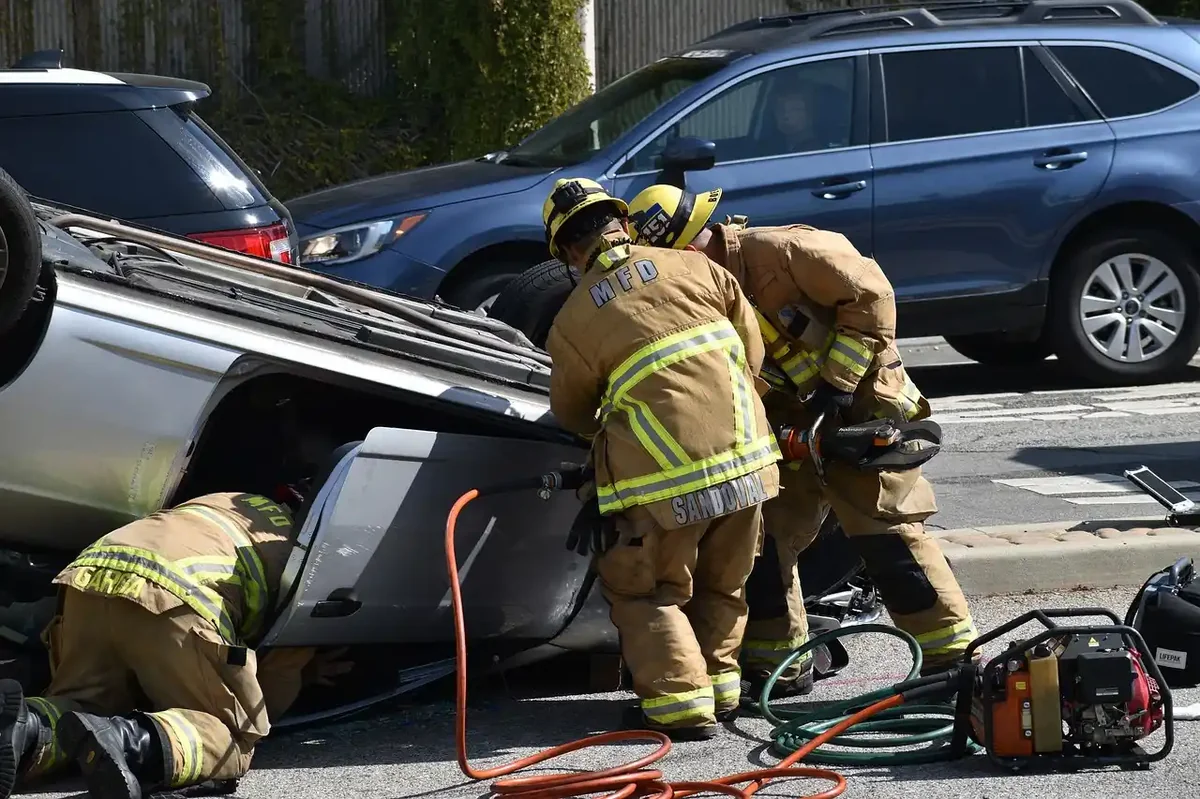
Traffic moving through Owego includes local drivers, commuters, farm vehicles, and commercial traffic using NY-17/I-86, NY-96, NY-38, and NY-17C. A crash on these routes or on nearby rural roads may involve distracted driving, impaired driving, failure to yield, unsafe speeds, poor visibility, or changing weather conditions. After a collision, questions about insurance coverage, fault, medical care, and lost income can arise quickly. The evidence from the scene, vehicle damage, witness accounts, and available reports may help clarify what happened and what compensation could be available under New York law.
Slip and Fall Accidents in Owego, NY
Falls in the Town of Owego can happen on many types of property, from farm and industrial sites to schools, municipal buildings, parks, apartment properties, older storefronts, and commercial areas serving local traffic. Your fall may involve an exterior hazard such as untreated ice, packed snow, broken pavement, poor lighting, loose steps, or unsafe walkways, or an interior condition such as wet floors, torn carpeting, cluttered aisles, missing handrails, or uneven flooring. Property owners and others responsible for maintaining premises may be legally accountable under New York law when they fail to address a dangerous condition they knew about or reasonably should have discovered. Because evidence can change quickly after a slip, trip, or fall, photographs, incident reports, witness information, maintenance records, and details about weather or lighting conditions may be important when evaluating what caused your injuries and whether a premises liability claim may be pursued.
Early Steps That Can Protect Your Claim
The first hours and days after an accident can affect your health, your insurance claim, and your ability to document what happened. While every situation is different, taking organized steps early can help protect your recovery and preserve information that may later be important under New York law.
Get Medical Care and Follow Treatment Instructions
Your health should come first. Call emergency services if anyone needs immediate help, and seek a medical evaluation even if your symptoms seem minor at first. Pain, dizziness, stiffness, concussions, internal injuries, and soft-tissue damage may not be fully apparent right away.
Be as clear as possible when describing your symptoms to medical providers, including when the pain began and how the accident occurred. Keep copies of discharge papers, prescriptions, referrals, imaging results, and follow-up instructions. Attending recommended appointments can help your recovery and may also create a record connecting your injuries to the accident.
Record What You Can Before Details Fade
If it is safe to do so, gather information at the scene or as soon afterward as possible. Photos and videos of visible injuries, property damage, lighting, weather conditions, floor surfaces, debris, damaged equipment, or other hazards may help show what happened. If anyone saw the incident, ask for their name and contact information.
Write down your own account while the details are still fresh. Include the date, time, who was present, what you noticed before the accident, and what happened immediately afterward. Save any related paperwork, emails, text messages, incident reports, insurance letters, repair estimates, and medical bills. Avoid altering or discarding damaged personal items until you know whether they may be relevant to a claim.
Be Careful With Insurance and Legal Decisions
Insurance companies may contact you quickly after an accident. Before giving a recorded statement, signing a release, or accepting a settlement, make sure you understand how those decisions could affect your claim. A settlement may end your ability to seek additional compensation later, even if your injuries turn out to be more serious than expected.
You should also be mindful of legal deadlines. Some claims have shorter notice requirements, especially when a government entity may be involved. Speaking with a personal injury attorney can help you understand whether liability may exist, what evidence should be preserved, and what compensation may be available depending on the facts of your case.
Personal Injury Cases Sternberg Injury Law Firm Handles in Owego, NY
- Assault & Battery
- Brain Injury
- Boating Accidents
- Car Accidents
- Construction Accidents
- Defamation
- Dog Bites
- Dram Shop
- Drowning
- Emotional Distress
- Food Poisoning
- Gun Crimes & Gun Violence
- Injury to Child
- Medical Malpractice
- Motorcycle Accidents
- Nursing Home Abuse
- Nursing Home Neglect
- Police Misconduct
- Premises Liability
- Product Liability
- Manufacturing Defects
- Marketing Defects (Failure to warn)
- Sexual Assault
- Slip and Fall
- Swimming Pool Accidents
- Trip and Fall
- Uber / Lyft / Taxi Ride Accidents
- Workplace Injury
- Wrongful Death
Who Is Responsible After an Accident
Questions about fault often begin immediately after an injury, but the answer is not always obvious. Responsibility may depend on conduct, timing, safety rules, witness accounts, physical evidence, and whether someone failed to act with reasonable care. Insurance companies may reach their own conclusions, but those conclusions can be challenged when the evidence supports a different view.
New York uses a comparative negligence system. This means more than one person or business can share fault for the same accident. If you are found partly responsible, compensation that may be available under New York law could be reduced by your percentage of fault. For example, a person found 20% at fault would generally have any recoverable damages reduced by that amount.
Fault investigations may involve police reports, incident reports, photographs, video footage, medical records, damaged property, maintenance records, and statements from people who saw what happened. In some cases, expert analysis may be needed to evaluate vehicle movement, property conditions, safety practices, or the cause of an injury.
Acting early can help preserve evidence before it is lost, repaired, overwritten, or forgotten. Even when liability seems clear, careful documentation can make a significant difference in how a claim is evaluated. Understanding how fault may be assigned can help you make informed decisions about your options after an accident.
Compensation That May Be Available After an Injury
When your recovery brings medical bills, missed work, and lasting discomfort, it can be difficult to know what losses should be part of a personal injury claim. Under New York law, damages are generally grouped into financial losses that can be documented and personal harms that affect your health, independence, and daily life.
Financial Losses Tied to the Accident
Economic damages may be available for costs you have already paid and expenses you are likely to face in the future, depending on the facts of your case. These could include emergency care, hospital treatment, surgery, physical therapy, prescription medication, medical equipment, and follow-up appointments. If your injuries keep you from working, a claim may also include lost wages, reduced earning capacity, or other income-related losses.
Property damage may also be part of the claim in some cases, such as repair or replacement costs connected to the incident. Careful documentation matters, including bills, receipts, employment records, and medical reports that help show how the injury affected your finances.
Personal and Long-Term Harm
Not every loss appears on an invoice. Non-economic damages may be available for pain and suffering, emotional distress, loss of enjoyment of life, physical limitations, scarring, or the day-to-day frustration of living with an injury. These damages recognize that an accident can change how you sleep, work, care for your family, participate in activities, and manage ordinary routines.
In cases involving severe or permanent injuries, the value of non-economic damages may depend on the expected duration of your symptoms and how deeply the injury affects your future. If a wrongful death claim is pursued, damages are handled under separate New York rules and may include certain financial losses suffered by eligible family members. The compensation that may be available depends on liability, the evidence, and the specific harm caused.
Understanding Filing Deadlines
Deadlines are easy to overlook while you are focused on medical care, missed work, and day-to-day recovery. In New York, most personal injury lawsuits must be filed within three years of the date of injury, but that rule does not apply to every case.
Some claims have shorter or specialized deadlines. Medical malpractice claims generally must be filed within two years and six months from the malpractice or the end of continuous treatment. Wrongful death claims generally have a two-year deadline. Claims involving a municipality or public entity may also require a notice of claim within 90 days, with additional filing limits afterward.
Waiting too long can affect your ability to bring a case, preserve evidence, and identify responsible parties. Reviewing the timeline early can help you understand which deadlines apply to your situation.
About Owego, New York
Owego has long served as an important community in Tioga County, with the Town surrounding the Village of Owego and extending along the Susquehanna River in New York’s Southern Tier. Its location near Interstate 86/NY 17, NY 38, and NY 96 places it on a major east-west travel corridor while still retaining a mix of small-town neighborhoods, rural roads, farmland, and riverfront areas. The town includes communities such as Apalachin and Campville, along with residential, commercial, and industrial areas.
Government offices, local businesses, agriculture, and larger employers all contribute to the town’s economy. The area also reflects a strong historical identity, particularly around the Village of Owego, where older buildings, civic institutions, and river-adjacent development help define the community. Recent census figures place the Town of Owego’s population at approximately 18,700 people.
Speak With an Injury Lawyer for Owego
To get clarity on deadlines, insurance issues, and your next steps, contact Sternberg Injury Law Firm about your Owego personal injury claim. Free case evaluations are available. There is no fee unless we win your case.
Check Our Five-Star Reviews


Connect with Our Firm